A Structural Reading of Visual Art
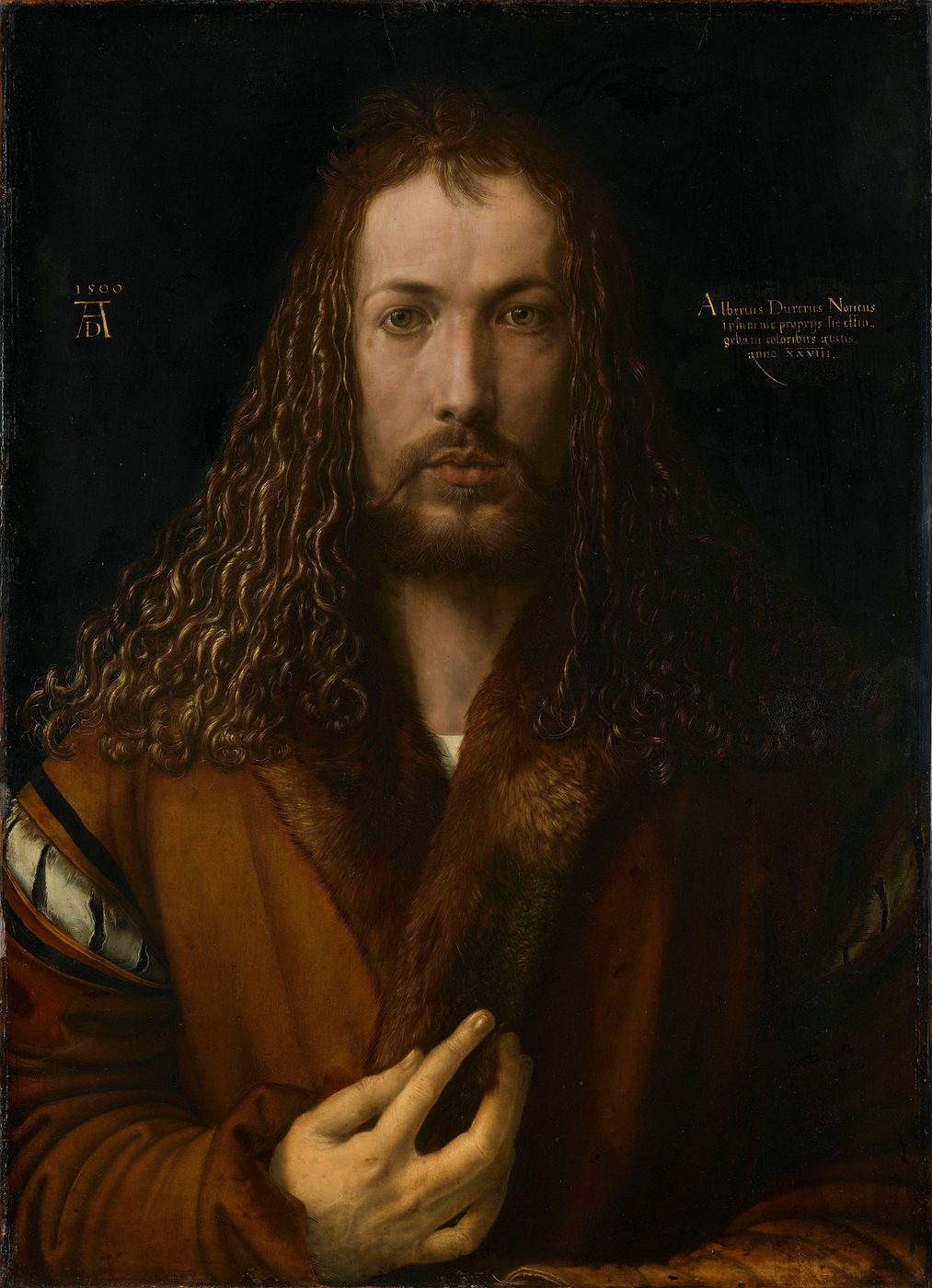
Visual works that have survived centuries of cultural transmission are candidates for structural reading on the same grounds as any other durable cultural content: the cultural transmission filter. A work that generates intense and sustained aesthetic recognition across very large populations over very long time horizons is, on the framework’s account, likely tracking something structurally real — encoding Φ-proximate organizational content in H₄₈ matter (pigment, light, composition, form) that cross-terms with the viewer’s eigenvalue population and produces the aesthetic response that τ_nuclear — the Spirit as topological coherence — generates when it discloses through H₄₈ material.
The readings collected here apply the Concordius framework to visual works that have passed this filter at the highest level. They are structural concordance readings: the framework identifies what organizational relationships are present in the composition, reads those relationships against the framework’s structural account of what is being depicted or expressed, and offers an account of why the work generates the response it does. The confidence tier is lower than the core mathematical papers but higher than pure aesthetic commentary: the claims are structurally derivable, and the compositions under analysis have been examined by enough eyes, across enough time, to constitute strong evidence that something real is being responded to.
The Constitutive Relation
- Polykleitos — The Canon — Polykleitos, c. 440 BC
- Myron — The Discobolus — Myron, c. 450 BC
- Praxiteles — The Aphrodite of Knidos — Praxiteles, c. 360 BC
- The Creation of Adam — Michelangelo, c. 1512
- The School of Athens — Raphael, 1509–1511
The Kenotic Period
- The Last Supper — Leonardo da Vinci, c. 1495–1498
- The Transfiguration — Fra Angelico, c. 1440–1442
The Organizational Structure of Existence
- Christ Pantocrator, Cefalù — Byzantine mosaic, c. 1148
- Hildegard — Scivias — Hildegard von Bingen, c. 1151
- Doré — The Empyrean — Gustave Doré, 1868
The Luciferian Inversion and the Overdeterminate Condition
- The Ancient of Days — William Blake, 1794
- Doré — Lucifer — Gustave Doré, 1866
- Blake — The Great Red Dragon — William Blake, c. 1803–1805
- Blake — Satan Smiting Job — William Blake, c. 1826