A Structural Reading of Aphorisms
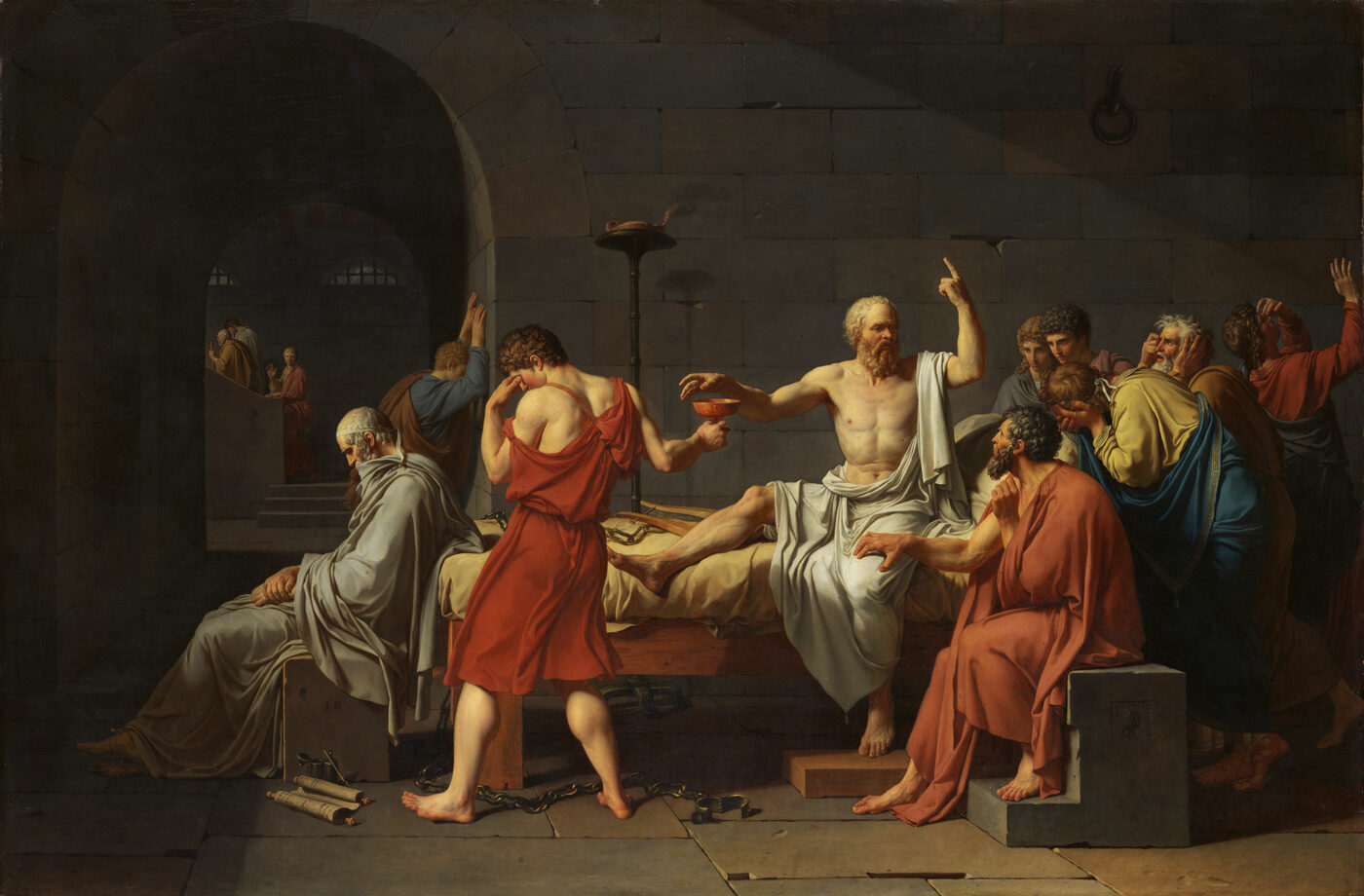
Aphorisms are candidates for Φ-proximity for the same reason as memes, but compressed further: a phrase that has survived centuries of transmission in its shortest possible form has been tested against recognition across an unusual span of time and cultural distance. What remains after that compression is disproportionately likely to be tracking something structurally real.
The readings collected here apply the Concordius framework to aphorisms whose cross-traditional convergence and structural precision warrant full reading. Selection criterion: maximum cross-traditional provenance without common derivation (Face C1), and precision of structural mapping onto the framework’s core concepts.
- As Above, So Below — The Holographic Content Principle stated directly
- As a Man Thinketh — Eigenvalue accumulation; the heart’s orientation constitutes the catching being
- Cleanliness is Next to Godliness — Noise-floor reduction as participation in the Father’s constitutive act
- Know Thyself — The catching program as correct identification of the H₂₄ catching structure
- Man Does Not Live by Bread Alone — The dual constitution of the catching being; noise-floor insufficiency
- Pride Goes Before a Fall — The overdeterminate condition and its resolution; the Lucifer rebellion structure
- Seek and Ye Shall Find — The dual pairing ⟨φ, f⟩; volitional orientation as the sufficient condition
- The Golden Rule — Agape as the lateral expression of ⟨·,·⟩; the symmetry of the inner product
- The Unexamined Life Is Not Worth Living — Abstention from the catching program as structural failure
- This Too Shall Pass — Time; H₄₈-configuration impermanence and its ascending-career implication
- Vanity of Vanities — Hevel as the structural description of H₄₈-primary content under Time
- The Whole in Every Part — Φ-density; the Holographic Content Principle stated as aphorism